

Cybersecurity
should not be
guesswork.

Can you answer the questions that matter:Where are you exposed?What can actually be exploited?What should you fix first?SIT maps your IT environment, validates what can actually be exploited and shows what matters most. With recurring automated control and expert support, you fix the right risks and drive risk down over time.

Security team analyzing technical cyber exposure
SEDEVELOPED IN SWEDEN

SIT is a Swedish company. Our product technology is developed in Sweden.

01LOCAL ANALYSIS

All internal analysis runs locally. No information leaves your network.

↻RECURRING AUTOMATED CONTROL

The same control repeats automatically so you can track and show risk moving down over time and demonstrate a systematic security process.

◎PRIORITIZE WHAT MATTERS

Put time and resources on the risks that matter most.

Better security decisions start with
seeing reality as it is.

You cannot prioritize risks you do not see. An incomplete view of your environment creates an incomplete risk picture.

SIT maps what is actually there, which products and versions are running and which vulnerabilities apply to you. Then we add exploitability, reachability, attack chains and business criticality so you know what to fix first.

Security and management team with IT infrastructure
01

See reality

See systems, services, products and versions with high precision.

02

Understand real risk

See what matters when reachability, exploits, active exploitation, attack chains and business criticality are added.

03

Fix the right things first

Top Priorities shows which Critical and High risks you should fix first.

04

Verify impact

Track the change and see how your actions drive risk down over time.

More findings are not enough.
You need to know what to fix first.

SIT maps broadly, then narrows the list to what matters.

Reachability, known exploits, likelihood of exploitation, active exploitation, attack chains and business criticality determine what rises to the top. You put resources where they make the biggest difference.

More data is not the goal. Better decisions are.
Security team analyzing technical exposure and prioritizing the risks that matter most
Broad visibility. Clear priorities.Find widely. Fix the risks that matter first.

What do you need
better control over?

Have you outsourced IT operations but kept the accountability? Do you want more from an already mature security program? Or do you need structure, prioritization and follow-up in place quickly?

Leadership and security team
ASSURANCE

You outsourced IT operations.
Not accountability.

Keep your own independent technical view of the risks that remain, what to fix first and what to follow up with your IT provider.

Explore Assurance →
Mature security team comparing technical risk results
OPTIMIZATION

You have already come a long way.
Now test whether you can go further.

Compare SIT with what you already use in your own IT environment. Same environment. Same conditions. Let the results decide.

Explore Optimization →
IT owner in a server environment
CONTROL

Get control.
Prioritize the right risks.
Get the work done.

Build a systematic security process with clear priorities, expert support and recurring automated control. You fix the right risks first and drive risk down over time.

Explore Control →

See the way in.
See what can be exploited inside.

SIT Xternal shows what the internet sees and where an attacker can gain an initial foothold. SIT Appliance shows the internal technical risk and possible attack chains. Together they give you one connected view.

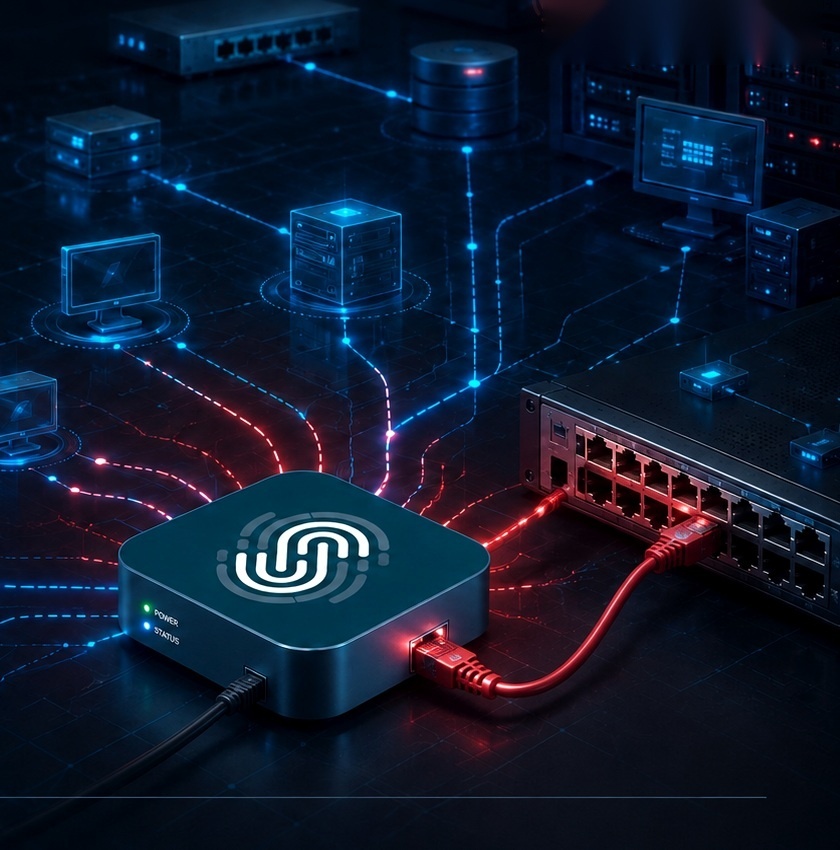
SIT Appliance in an IT environment
SIT APPLIANCE

See what is actually inside.

Map the internal IP-reachable environment, identify products and versions, and see which risks and attack chains deserve priority.

Explore SIT Appliance →
External attack surface over a connected city
SIT XTERNAL

See what the internet actually sees.

Identify exposed systems and services, analyze relevant vulnerabilities and understand what can contribute to initial access.

Explore SIT Xternal →
INTERNET→XTERNAL→INITIAL FOOTHOLD→APPLIANCE→INTERNAL RISK

Track risk
as it moves down over time.

Recurring automated control makes change visible. See new risks, follow what remains and verify that your actions deliver the intended effect.

Security team reviewing recurring control and risk trend over time
Map → Prioritize → Fix → Verify → Track12 scans per year · Delta Report · Risk Score over time · Continuous threat matching
SIT Appliance in a local IT environment

No information leaves your network.

SIT Appliance analyzes your internal IT environment locally. Scan results, analyses, reports and history stay inside your network. Scanning is agentless and unauthenticated, no software is installed on your servers or endpoints, and no privileged accounts are required.

All analysis stays localSIT Appliance runs internal analysis inside your network.
Developed in SwedenSIT is a Swedish company. Our product technology is developed in Sweden.
Agentless and unauthenticatedSee what is visible and reachable from the network without relying on credentials.

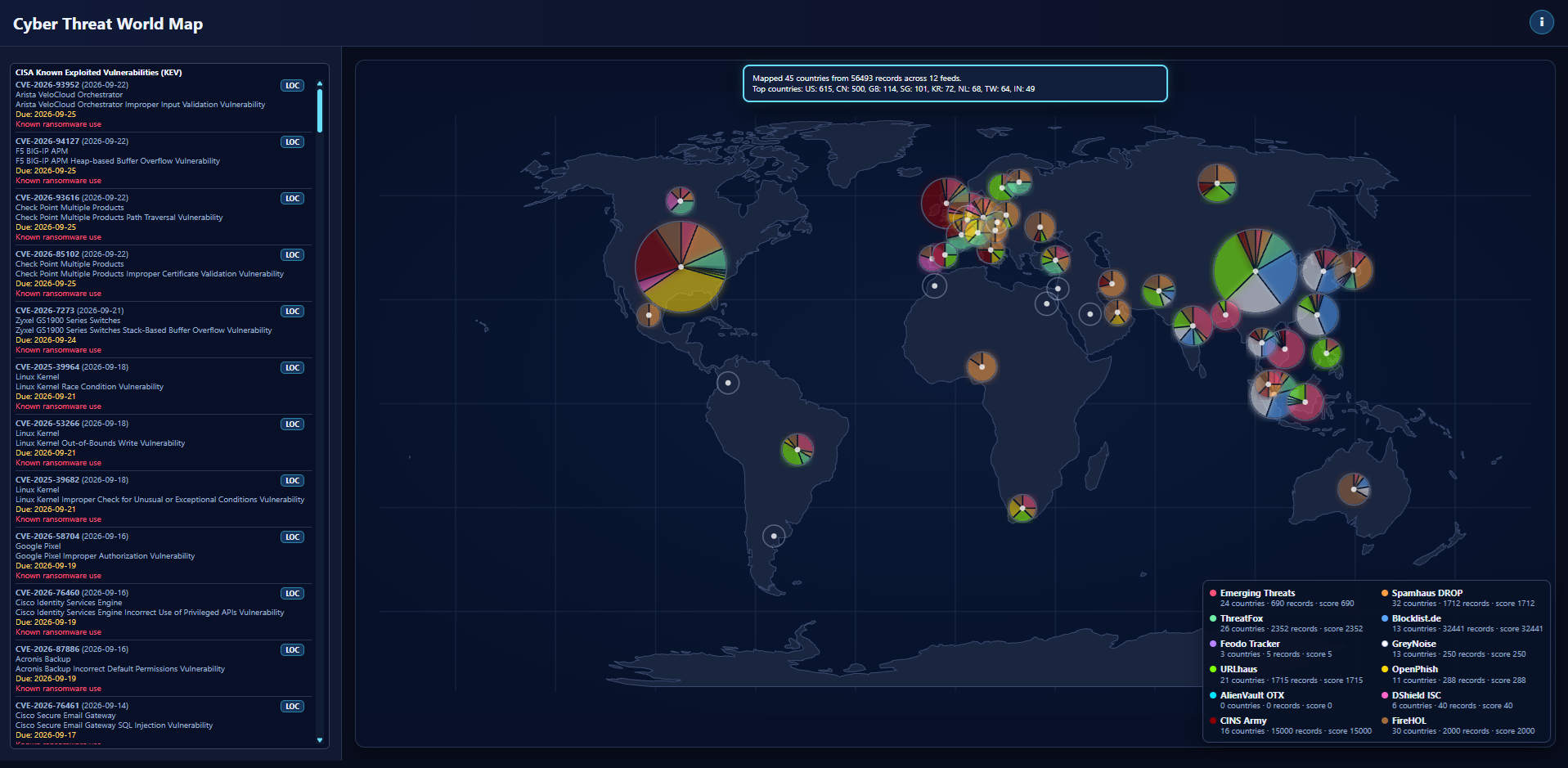
This is what the cyber threat landscape looks like
in practice.

New vulnerabilities, exposed services and changing attack methods keep the risk picture moving. These examples show how technical exposure has produced real operational consequences.

Cyber Threat World Map

Known firewall and VPN vulnerabilities became the way in.

Ransomware actors exploited vulnerabilities in internet-facing edge devices. The result was data theft, encryption and disruption.

SIT Xternal shows the external exposure. Threat matching elevates actively exploited vulnerabilities. The next control verifies that the exposure is gone.

An unpatched remote-support platform became an initial foothold.

Vulnerabilities in remote-support software were used for code execution and further access. The risk then spread through environments that depended on the service.

SIT Appliance identifies product and version. Threat matching connects new threats to the environment you actually run. The next control verifies that the risk is gone.

Several weaknesses became more dangerous together than on their own.

Attackers chained multiple weaknesses to gain access, execute code and move further into the environment.

SIT shows the attack chain and raises the priority when several weaknesses combine into a greater risk than each finding in isolation.

Security experts and decision makers in a meeting

From findings to action.
You have experts with you all the way.

SIT experts help you interpret results, set priorities, solve technical questions and verify that remediation delivers the intended effect.

01Interpret

Understand what the results mean in your environment.

02Prioritize

Focus on what reduces risk most.

03Remediate

Get technical support for the practical work.

04Follow through

Verify that remediation actually works.

Explore expert services →

Technical control that strengthens
systematic cybersecurity.

Use recurring technical control, prioritized remediation and a trackable risk trend as concrete input to your security program. SIT supports the technical areas you can observe, verify and follow over time.

NIS2Swedish Cybersecurity ActMCFFS 2026:11ISO 27001CRA
NIS2, Swedish Cybersecurity Act, ISO 27001 and CRA

Follow what we focus on
before the breach.

Attack paths, prioritization, resilience and how recurring technical control turns into measurable security improvement.

Cybersecurity Awareness Month
OCTOBER 2026

Cybersecurity Awareness Month 2026

The right information, sharper priorities and recurring follow-up.

Read more →
Lindholmen Software Development Day
20 OCTOBER 2026 · GOTHENBURG

The Perfect Storm Before the Breach

Reachability, attack paths and prioritization before the breach.

Read more →
BSides Copenhagen
14 NOVEMBER 2026 · COPENHAGEN

A Security Baseline Is Not an Attack Path

Why a baseline is not enough when the attack path changes the priority.

Read more →

Want to know where the risks actually are
and what to fix first?

Tell us how your IT environment works today. We will show where SIT can give you stronger control, sharper prioritization and a better basis for security decisions.